
A facial cleansing is achieved when the skin is left free of dirt, excess oil, dead skin cells, and residue that accumulates over time. The most obvious result is skin that feels softer, brighter, and with better texture, but the real change happens underneath: cleaner pores, fewer blockages, and a healthier base so any treatment or daily routine works better.
In simple terms, a facial cleansing “resets” the skin: it removes what gets in the way, improves the overall appearance, and helps prevent common issues like blackheads, pimples, breakouts, and inflammation.
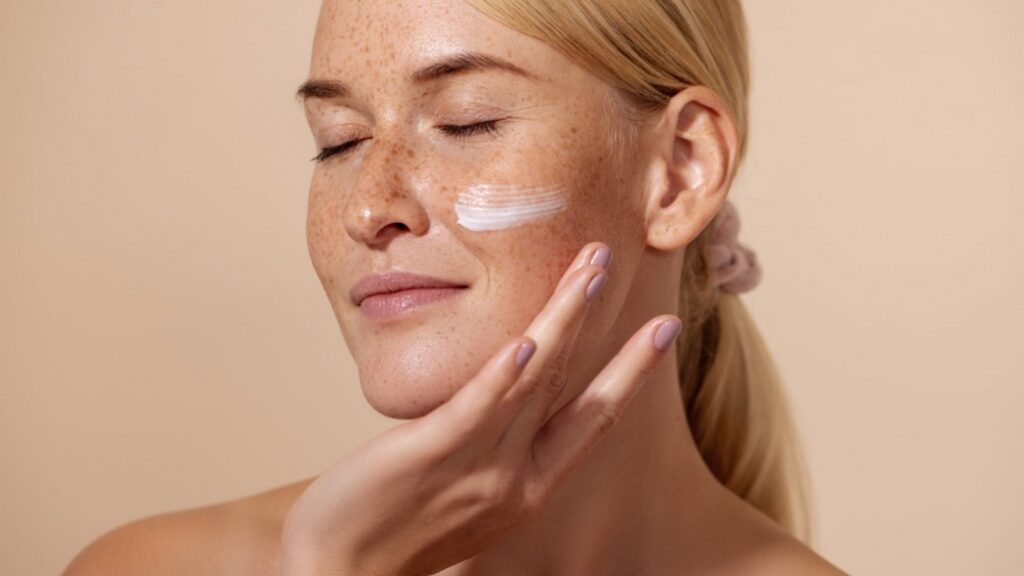
What you really achieve with a facial cleansing (main results)
Cleaner pores and fewer blockages
The main goal is to clear the pores. When a pore gets clogged with sebum, makeup, pollution, and dead skin cells, blackheads, uneven texture, and breakouts appear. With a proper cleansing, that buildup is reduced and the skin feels cleaner and lighter.
Fewer blackheads, comedones, and breakouts
By removing impurities and blockages, you can:
- Reduce the appearance of blackheads.
- Help control the formation of comedones (bumps without inflammation).
- Lower the likelihood of acne breakouts in acne-prone skin.
Exfoliation and renewal of the skin’s surface
A facial cleansing usually includes exfoliation to remove dead skin cells that make skin look dull. This translates into:
- A feeling of immediate smoothness.
- A face with a more even appearance.
- Less “roughness” in areas like the forehead, nose, and chin.
Better texture, tone, and radiance
When the skin is free of residue, you can see visible improvement in:
- Texture (smoother skin).
- Tone (a more even-looking complexion).
- Radiance (less of a dull appearance).
Better absorption of products and improved effectiveness of your routine
Skin with clogged pores and excess dead skin doesn’t benefit as much from serums, moisturizers, or treatments. After a facial cleansing, the skin is more able to:
- Absorb products better.
- Respond more effectively to hydration, nourishment, oil-control routines, or targeted treatments.
Balanced oil and hydration
A well-done cleansing helps:
- Control excess sebum without over-drying.
- Maintain a more balanced skin feel.
- Leave the face hydrated and with better elasticity, especially when paired with masks and the right active ingredients.
Boosted microcirculation and a more “rested” look
In professional cleansings, it’s common to include massage or techniques that stimulate surface circulation. This can result in a face that:
- Has better color.
- Looks more awake or rested.
- Feels relaxed and refreshed.
Preps the skin for other treatments
When the skin is clean and in better condition, it creates a better foundation for later procedures (hydrating, brightening, anti-aging, peels, or devices). In other words, cleansing works as a pre-step to boost results.
What changes depending on whether it’s at-home cleansing or professional cleansing?
At-home cleansing: daily maintenance
At home, you maintain stable skin when you follow a consistent routine:
- Daily cleansing with a product suited to your skin.
- Moisturizing.
- Sunscreen.
This helps prevent daily buildup, but it doesn’t always reach the depth needed when pores are congested, blackheads are pronounced, or blockage is heavier.
Professional cleansing: deeper and more personalized
A professional cleansing provides a more complete approach thanks to:
- Professional-grade products.
- Specific tools and techniques.
- Protocols adjusted to your skin type.
This usually translates into more noticeable results in pores, texture, and comedone extraction (when appropriate).
What does a facial cleansing usually include and what do you get from each step?
Although it varies by clinic and your skin type, these stages are common:
- Initial cleansing: removes surface dirt, makeup, and residue.
- Exfoliation: helps remove dead skin cells and improves texture.
- Pore softening or prep: helps loosen blockages (when extractions are performed).
- Extractions (if needed): reduces comedones and blackheads.
- Mask or active ingredients: targets the goal (hydration, oil control, soothing, glow).
- Moisturizing and sealing: leaves the skin protected and more comfortable.
- Sunscreen (daytime): key to preventing irritation or post-treatment pigmentation.
How do you know if a facial cleansing is working?
Signs it’s achieving the goal:
- The skin feels smoother and with fewer “texture bumps”.
- There are fewer visible blackheads or they take longer to reappear.
- Excess shine decreases in the T-zone (for oily skin).
- The face looks brighter and with a more even tone.
- Your products (moisturizer, serum) feel more “effective”.
Results you should NOT expect from a facial cleansing
To avoid unrealistic expectations, a facial cleansing will not “erase” in a single session:
- Deep, long-standing pigmentation.
- Pronounced scars.
- Deep wrinkles.
- Severe acne with a medical cause without a comprehensive treatment plan.
What it does achieve is improving the overall condition of the skin and reducing factors that worsen appearance: clogging, texture issues, excess oil, and buildup.
Frequently asked questions
Do you notice a difference after the first facial cleansing?
For many people, yes: the skin feels smoother, cleaner, and brighter. Results for blackheads and texture tend to improve more with consistency and an appropriate routine.
How often should you get a facial cleansing?
It depends on skin type and goals. As a general reference:
- Oily skin or skin prone to comedones: more frequent.
- Normal or sensitive skin: more spaced out.
The real schedule also depends on whether it’s a deep cleansing with extractions or a gentler maintenance cleansing.
What if I have sensitive skin or rosacea?
With reactive skin, the goal is to achieve cleansing and texture improvement without irritation. In those cases, it’s common to avoid excess heat, friction, or aggressive extractions, prioritizing soothing protocols.
Does facial cleansing help with acne?
It can help when the issue is related to clogged pores, comedones, and excess oil, because it helps decongest and reduce blackheads. With moderate to severe acne, a comprehensive approach is usually needed.
Can I wear makeup after a facial cleansing?
It depends on the intensity of the procedure and whether extractions were done. In general, if extractions were performed or the skin feels sensitive, it’s best to give the skin time to recover.
Does facial cleansing “close” pores?
Cleansing doesn’t change the actual size of the pore, but it can make pores look less noticeable when they’re clean, unclogged, and the oil balance is improved.