
Spa facials are no longer an “occasional luxury”—they’ve become one of the most in-demand treatments when it comes to skincare and wellness. A good facial doesn’t just cleanse and improve the look of your complexion; it can also help your body relax, reduce stress, and support a consistent self-care routine.
On a spa menu you’ll find everything from basic deep-cleansing treatments to advanced facials that use medical-aesthetic technology. Understanding the different types of facials—and what each one is for—helps you choose the perfect treatment for your skin type, lifestyle, and budget.
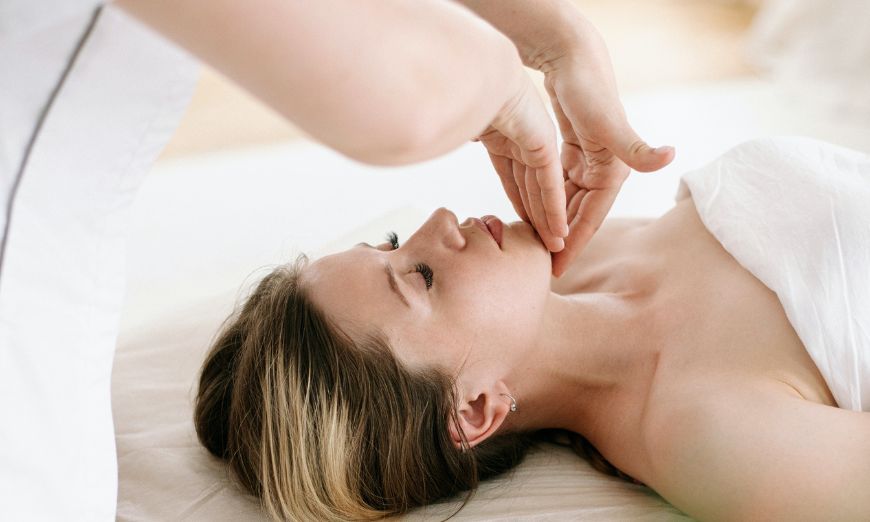
What is a spa facial?
A spa facial is a professional facial treatment that combines several steps in one session:
- Deep cleansing of the skin.
- Exfoliation to remove dead skin cells.
- Extraction of blackheads or comedones (when allowed by the spa’s protocol).
- Facial massage to stimulate circulation and release tension.
- A targeted mask based on skin type.
- Final hydration and sun protection.
Unlike an at-home routine, a spa facial uses professional-grade products and specific techniques performed by trained estheticians or cosmetologists. The goal may be to purify, hydrate, brighten, rejuvenate, soothe sensitive skin—or combine several benefits.
How to choose the right type of facial
Before reviewing facial types, it helps to be clear on three basics:
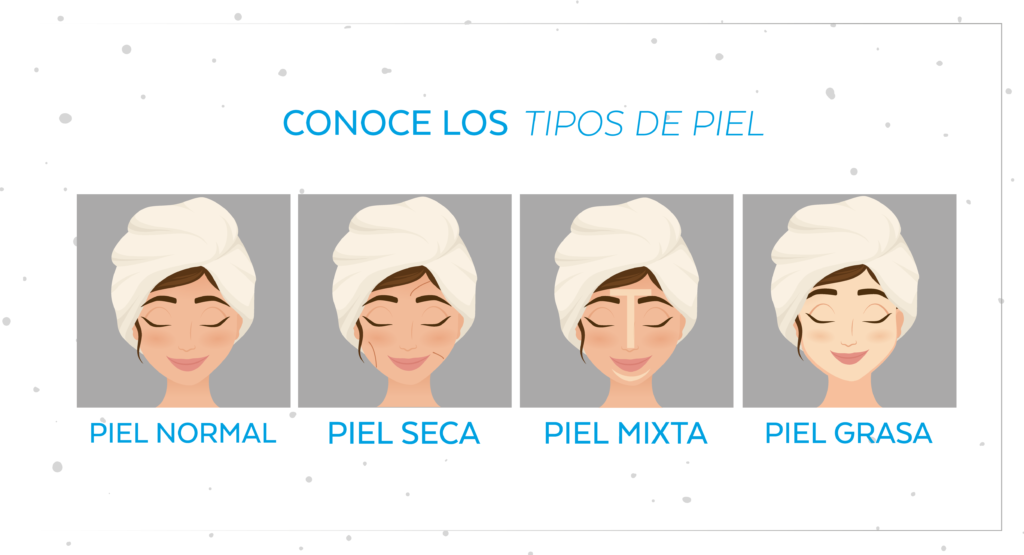
- Your skin type: normal, dry, oily, combination, or sensitive.
- Your main concern: acne, dark spots, fine lines, uneven texture, dullness, dehydration, redness, etc.
- The type of spa: a wellness/day spa typically focuses on relaxation and beauty; a medical spa (med spa) integrates more advanced technologies, often under medical supervision.
With that in mind, here are the most common types of facials you can find at a spa.
Classic facial or deep-cleansing facial
This is the starting point for most spa menus. It may also be called a “basic facial,” “deep-cleansing facial,” or “classic spa facial.”
It typically includes:
- Makeup removal and deep cleansing.
- Gentle steaming to open pores.
- Mechanical or enzymatic exfoliation.
- Moderate blackhead extraction.
- A balancing mask.
- Massage of the face, neck, and décolletage.
- Moisturizer and sunscreen.
Who is it ideal for?
- People who have never had a facial and want to start.
- Combination or oily skin with visible blackheads.
- Anyone who wants a deeper cleanse than daily skincare—without going into highly technical treatments yet.
Main benefits
- Decongests pores and helps prevent breakouts.
- Leaves skin softer, smoother, and brighter.
- Preps the skin for other treatments (anti-aging, brightening, etc.).
Hydrating and repairing facial
This facial focuses on restoring water and nutrients to the skin. It uses serums, masks, and creams with high concentrations of humectants and emollients.
It often includes:
- Gentle cleansing (without aggressive exfoliation).
- Light exfoliation to improve product absorption.
- Gel, cream, or biocellulose masks with hyaluronic acid, aloe, ceramides, or other hydrating actives.
- A relaxing facial massage.
Who is it ideal for?
- Dry, dehydrated skin or tightness.
- People using drying treatments (for acne or intensive anti-aging, for example).
- Before or after extreme weather seasons (cold, wind, intense sun).
Main benefits
- Plumps the skin visually, making it look juicier and healthier.
- Helps strengthen the skin barrier.
- Reduces dryness and flaking.
Relaxing or anti-stress facial
Many spas offer this as a “wellness facial,” “relaxation ritual,” or similar. The goal is to mentally unplug while giving the skin basic care.
It stands out for:
- Slow, deeper massage techniques for the face, neck, shoulders, and scalp.
- Aromatherapy and soft music.
- Comforting masks with pleasant textures.
It may not include extractions, since the focus is more sensory than corrective.
Who is it ideal for?
- People under high stress who want a true pause.
- Clients who don’t tolerate invasive facials or heavy extractions.
- Anyone who wants both aesthetic benefits and deep relaxation.
Main benefits
- Reduced muscle tension in the face and neck.
- An overall sense of well-being and rest.
- Skin that looks more rested and radiant.
Facial for oily or acne-prone skin
Also known as a purifying facial, this is designed for skin with excess oil, frequent breakouts, or very visible pores.
Common elements include:
- Cleansing tailored to oily skin.
- Steaming and more detailed extractions (depending on protocol and tolerance).
- Clay masks, charcoal, or other oil-balancing actives.
- Products with ingredients like salicylic acid, niacinamide, or sulfur, depending on the spa.
Who is it ideal for?
- Oily or combination skin with constant shine.
- Skin prone to mild blemishes or recurring blackheads.
- Teens or adults with occasional breakouts who need maintenance.
Main benefits
- Temporary control of excess oil.
- Less-congested pores and a more even texture.
- Fewer breakouts when paired with a solid daily routine.
Brightening or dark-spot facial
You may also see it as a radiance facial, “brightening facial,” or a treatment for uneven tone. Its focus is to improve the appearance of dark spots, dullness, and uneven tone.
It often includes:
- Gentle chemical exfoliation (low concentrations of acids like glycolic or lactic, depending on the spa).
- Masks with vitamin C, niacinamide, or other brightening antioxidants.
- Gentle brightening/spot-fading serums.
Who is it ideal for?
- Skin with mild sun spots or a dull complexion.
- People looking for a “glow” effect before an event.
- Anyone who wants a more even tone but doesn’t need deep peels yet.
Main benefits
- Visibly brighter, more even-looking skin.
- Gradual improvement in the look of superficial spots.
- Antioxidant support against environmental damage.
Anti-aging or firming facial
This facial is designed to target fine lines, loss of firmness, and aged texture. It may be called anti-age, rejuvenating, lifting facial, or similar.
Typical components:
- Cleansing adapted for mature skin.
- Exfoliation to soften fine lines.
- Firming and drainage massage to stimulate circulation.
- Ampoules or serums with peptides, collagen, hyaluronic acid, gentle retinoids, or other anti-aging actives offered by the spa.
- Firming or plumping masks.
Who is it ideal for?
- Skin from the mid-30s onward with early signs of aging.
- People with more visible expression lines, mild sagging, or dull skin.
- Anyone wanting to boost the results of at-home anti-aging products.
Main benefits
- Visible improvement in firmness and elasticity.
- Temporary softening of fine lines.
- Skin that looks plumper and more refreshed.
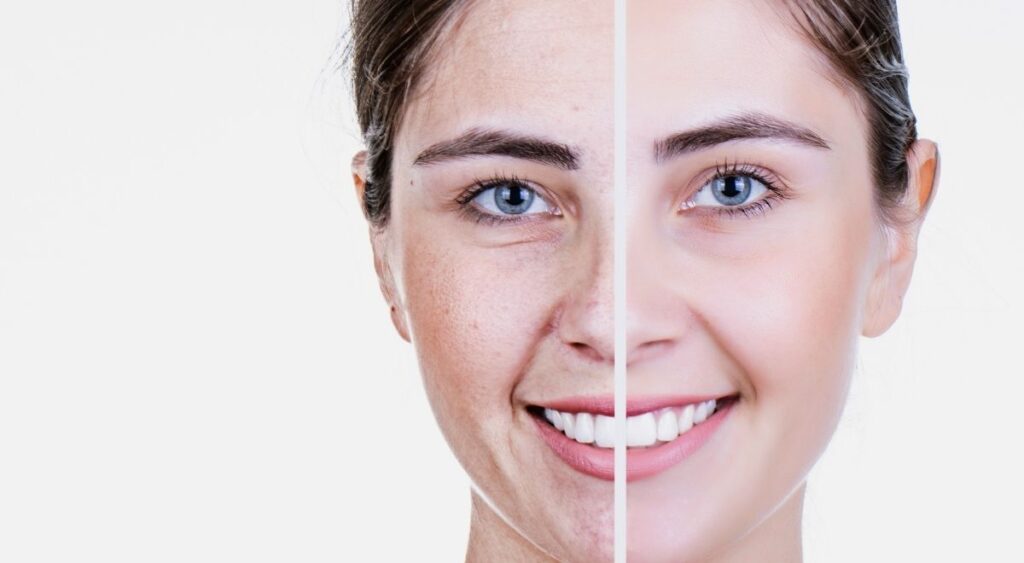
Facial for sensitive skin or rosacea
Sensitive-skin facials focus on soothing, reducing inflammation, and strengthening the skin barrier, while avoiding irritation.
They are usually characterized by:
- Very gentle cleansing, with minimal friction.
- Little to no exfoliation, or replaced with delicate enzymes.
- Soothing masks with ingredients like oatmeal, aloe, centella asiatica, and others.
- Careful temperature control (avoiding intense steam or sudden changes).
Who is it ideal for?
- People who flush or redden easily.
- Those diagnosed with rosacea—only with medical approval and specific protocols.
- Clients who react to heavily fragranced or harsh products.
Main benefits
- Less burning or itching sensation.
- Temporary reduction in redness.
- Skin that feels more comfortable and protected.
Facial for men
While the structure is similar to other facials, this service is designed around common male skin needs, such as shaving irritation, facial hair, visible pores, and thicker skin texture.
It generally includes:
- Deep cleansing in the beard and neck area.
- Exfoliation to help prevent ingrown hairs.
- Purifying or hydrating masks, depending on skin type.
- Massage to relax the jaw, neck, and shoulders.
Who is it ideal for?
- Men who want to start skincare without complications.
- Skin irritated by frequent shaving.
- People with demanding work routines who need a facial and mental “reset.”
Back facial (“backcial”)
Less known but very useful, a backcial is a facial performed on the back. It focuses on:
- Cleansing and exfoliating the area.
- Extraction of comedones and blemishes.
- Purifying or soothing masks.
Who is it ideal for?
- People with back acne.
- Anyone showing their back at events, weddings, or vacations who wants more even-looking skin.
Advanced medical spa (med spa) facials
In a medical spa, you’ll find facials that use medical-grade technology and active ingredients for deeper results. These often require a prior assessment and sometimes medical supervision. Common examples include:
- HydraFacial or hydrodermabrasion facials: combine cleansing, exfoliation, extraction, and serum infusion in a multi-step suction-based system. Used to improve texture, hydration, and glow.
- Microdermabrasion: uses diamond tips or similar systems to mechanically exfoliate the outer layer of skin, smoothing texture and fine lines.
- Facial microneedling: creates controlled micro-channels to stimulate collagen and improve acne scars, fine lines, and uneven texture.
- Professional chemical peels: use higher acid concentrations to target dark spots, sun damage, and rough texture.
- LED light therapy facials (red or blue light, for example): support other treatments by calming inflammation, encouraging regeneration, or helping modulate acne-related bacteria, depending on the wavelength used.
- Laser facial treatments: target spots, enlarged pores, scarring, and wrinkles with protocols that depend on the device and the professional operating it.
These facials typically come with a higher cost and stricter protocols, but they can deliver more visible results when properly indicated and when post-care recommendations are followed.
General benefits of spa facials
No matter which type of facial you choose, most share these benefits:
- Deep cleansing: removes dirt, buildup, and makeup residue that daily routines don’t always fully eliminate.
- Controlled exfoliation: renews the surface layer so skin looks smoother and more even.
- Effective hydration: improves elasticity and comfort, especially in dry or dehydrated skin.
- Improved circulation: facial massage boosts blood flow for a fresher, brighter look.
- Self-care and relaxation: the sensory spa experience helps reduce stress and supports well-being.
How often should you get a spa facial?
The ideal frequency depends on:
- Your skin type.
- The treatment goal.
- The type of facial (classic, purifying, anti-aging, medical, etc.).
In general, many professionals suggest one facial every 4 to 6 weeks to maintain results and align with the skin’s natural renewal cycle. Very gentle or relaxation facials can be done more often, while more intensive ones (deep peels, laser, etc.) require longer intervals and professional follow-up.
Frequently asked questions
Which type of facial is best for me?
There isn’t one universal “best” facial—the right one is the one that matches your skin type and your main goal (for example: oil control, smoothing wrinkles, improving dark spots, or simply relaxing). It’s best to complete a short questionnaire or have a brief consultation with the esthetician so the protocol can be personalized.
Does a spa facial replace my daily skincare routine?
No. Professional facials are a complement, not a replacement. They work as a monthly or periodic boost that enhances the results of your daily routine (cleanser, moisturizer, sunscreen, and—if applicable—targeted serums).
Can I get a facial if I have active acne?
In many cases, yes—but it should be a facial adapted for acne-prone skin, avoiding aggressive manipulation and comedogenic products. For severe or inflammatory acne, it’s important that the treatment is coordinated with a dermatologist and, in a med spa, that medical supervision is available.
What should I avoid after a facial?
It depends on the intensity of the treatment, but in general you should:
- Avoid direct sun exposure without sunscreen.
- Avoid heavy makeup for at least 24 hours, especially if there were extractions or stronger exfoliation.
- Avoid strong exfoliants or irritating treatments for a few days, unless your professional advises otherwise.
What’s the difference between spa facials and medical spa facials?
In a wellness spa, facials focus on relaxation and gentle aesthetic improvement. In a medical spa, treatments incorporate more advanced technologies, active ingredients, and devices, with protocols aimed at specific results (scarring, sun damage, dark spots, etc.), usually with a more detailed evaluation and often medical oversight.
Can I combine a facial with other spa services on the same day?
Often yes—many places offer packages that combine body massages, facials, and other services. However, with medical or more intensive treatments (deep peels, laser, advanced microneedling), there may be timing restrictions and specific aftercare, so you should always follow the spa’s guidance.