
Rejuvenating the face no longer means completely changing your appearance or necessarily going under the knife. Today there are facial rejuvenation treatments that soften wrinkles, improve sagging, brighten the skin, and redefine the jawline with increasingly natural-looking results.
In this guide you’ll find the main options, how they work, and what you can expect from each one—both non-surgical approaches and surgical interventions when a deeper change is desired.
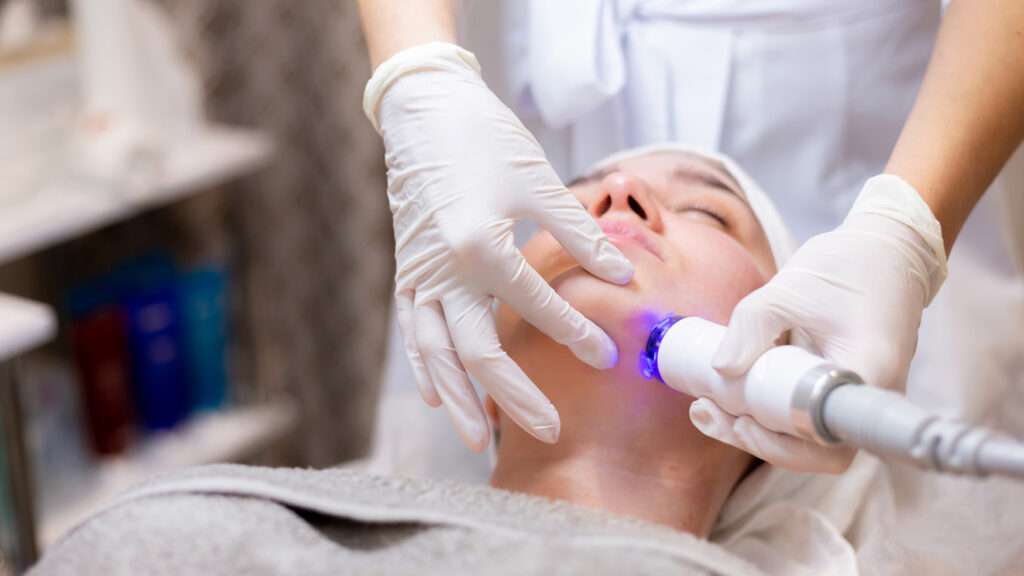
What exactly is facial rejuvenation?
Facial rejuvenation refers to a set of medical-aesthetic and surgical procedures designed to:
- Reduce wrinkles and expression lines.
- Improve sagging in the face, neck, and jawline.
- Restore volume to cheeks, temples, or lips.
- Even out skin tone (dark spots, redness).
- Add radiance and smoother texture.
It’s not only about “looking younger,” but about achieving a more rested, balanced, and fresh appearance while respecting each person’s natural features.
Non-surgical facial rejuvenation treatments
Most people who look for non-surgical facial rejuvenation treatments start with minimally invasive techniques. They offer visible results, short recovery times, and usually allow you to return to your routine almost immediately. 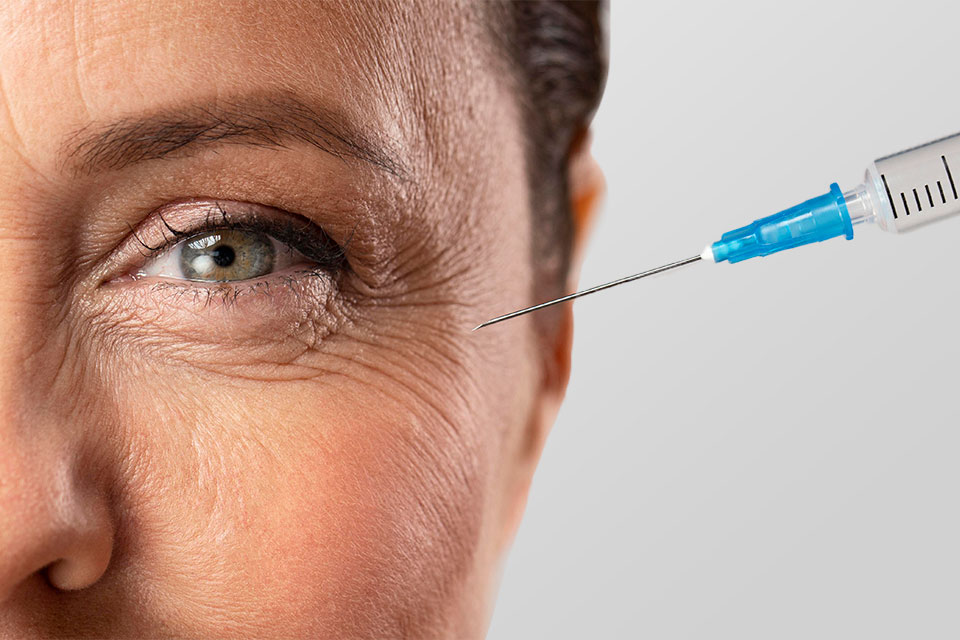
1. Botulinum toxin (Botox) for expression lines
Botulinum toxin is applied through micro-injections into specific muscles to relax facial expression and soften lines such as:
- Forehead lines.
- Frown lines (between the eyebrows).
- Crow’s feet.
It helps to:
- Reduce dynamic wrinkles.
- Prevent lines from deepening over time.
- Create a more rested look—without a “frozen face” when applied by experienced hands.
Effects usually last 3 to 6 months and gradually wear off.
2. Hyaluronic acid fillers
Hyaluronic acid is one of the most widely used injectables for facial rejuvenation because it exists naturally in the skin and is gradually reabsorbed.
It’s used to:
- Fill nasolabial folds (lines from nose to mouth).
- Improve marionette lines (corners of the mouth down toward the chin).
- Add volume to cheeks and lips.
- Correct hollow under-eyes in certain cases.
Main benefits:
- Immediate results.
- A fuller, more “plump” look.
- Deep hydration and improved skin texture.
Results typically last about 9 to 18 months, depending on the product and the treated area.
3. Collagen biostimulators
Biostimulators (such as calcium hydroxyapatite or certain lactic-acid-based polymers) don’t just “fill”—their goal is to stimulate your own collagen production.
They’re recommended when you want to:
- Improve mild to moderate sagging.
- Firm and redefine the facial contour.
- Enhance overall “skin quality” in the medium to long term.
Results develop gradually over weeks and months and can last more than a year with maintenance.
4. Thread lifts to redefine the jawline
Thread lifts use very fine threads inserted under the skin to create a “mini-lift” effect without surgery.
They can help:
- Slightly lift the cheeks.
- Define the jawline.
- Improve mild jowling.
- Address mild neck laxity.
As they stimulate collagen, the threads are eventually reabsorbed, but the tightening effect can last around a year or more depending on the thread type and the individual.
5. Chemical peels to renew the skin’s surface
A chemical peel uses specific solutions (such as glycolic, salicylic, mandelic acids, or combinations) to exfoliate the superficial layers of the skin.
Expected results:
- Fade mild dark spots and sun damage.
- Improve texture, pores, and fine lines.
- Boost facial radiance.
Peels can be superficial, medium, or deep. Stronger peels require more downtime and should only be performed under medical supervision—ideally during seasons with less direct sun exposure.
6. Laser and intense pulsed light (IPL)
Fractional laser systems and IPL help improve overall skin appearance using controlled light-based energy.
They can help:
- Reduce sun spots and diffuse redness.
- Improve enlarged pores and uneven texture.
- Stimulate collagen for firmer skin.
The number of sessions varies by goal—from a quick “glow boost” to more intensive photoaging treatments.
7. Radiofrequency and microneedling radiofrequency
Facial radiofrequency heats deeper skin layers to tighten collagen fibers and stimulate new collagen formation.
Benefits:
- Improves mild sagging.
- Creates firmer, more elastic skin.
- Can be used on the face, neck, and décolletage.
Microneedling radiofrequency combines tiny controlled punctures with heat in the dermis for a deeper stimulus—useful for more noticeable aging or mild acne scarring.
8. High-intensity focused ultrasound (HIFU, “no-knife lift”)
HIFU is often described as a “non-surgical facelift” because it targets deeper layers that historically only surgery could reach.
Main effects:
- Firm the jawline and under-chin area.
- Subtly lift brows and cheeks.
- Improve neck laxity.
Results appear gradually as the body produces new collagen over weeks. Many people do it once per year or as recommended.
9. Facial mesotherapy, skinboosters, and deep hydration
Facial mesotherapy uses micro-injections of vitamins, antioxidants, and lightly crosslinked hyaluronic acid to hydrate and revitalize from within.
It’s used for:
- Dull, tired-looking skin.
- Dehydration and loss of glow.
- Prevention in younger people or as a complement to other treatments.
Skinboosters are specific hyaluronic acid formulations applied at multiple points to improve skin density and deep hydration.
10. Advanced topical treatments and supportive routines
While they don’t replace medical procedures, a consistent routine with retinoids, antioxidants (like vitamin C), and daily sun protection enhances and prolongs the results of any facial rejuvenation treatment.
Many rejuvenation plans include:
- Targeted anti-aging serums.
- Night creams with renewing actives.
- Broad-spectrum sunscreen every day.
Surgical facial rejuvenation treatments
When sagging is more pronounced or aging is more advanced, surgical treatments may offer a deeper and longer-lasting change.
Facelift
A facelift addresses laxity in the skin and deeper tissues:
- Repositions facial muscles and ligaments.
- Removes excess skin in strategic areas (with scars typically hidden along the hairline and around the ears).
- Improves the jawline, cheeks, and neck overall.
Results tend to last longer than non-invasive treatments, but it involves surgery, anesthesia, and recovery time.
Blepharoplasty (eyelid surgery)
Blepharoplasty focuses on rejuvenating the eye area:
- Removes excess skin from upper eyelids.
- Can remove or reposition fat pads in the lower eyelids.
The goal is to open up the eyes and reduce a tired look while respecting the natural eye shape.
Fat grafting (lipofilling)
Autologous fat transfer uses the patient’s own fat (harvested from another body area) to restore lost volume:
- Cheeks.
- Deep folds.
- Temples or other hollow areas.
Beyond adding volume, fat transfer may improve skin quality in the treated area due to regenerative cells within the graft.
How to choose the best facial rejuvenation treatment
There’s no single “best” treatment for everyone. The ideal approach is a personalized facial rejuvenation plan that considers:
- Age and degree of aging.
- Skin type (dry, oily, combination, sensitive).
- Dark spots, acne scars, or other specific issues.
- Whether laxity is mild, moderate, or severe.
- How much downtime the person is willing to take.
- Budget and realistic expectations.
In many cases, combining techniques (for example, botulinum toxin + hyaluronic acid + laser or radiofrequency) creates more harmonious results than relying on a single procedure.
Frequently asked questions
What is the best treatment to rejuvenate the face?
It depends on your main concern:
- Expression lines: botulinum toxin.
- Folds and volume loss: hyaluronic acid or fat grafting.
- Mild sagging: radiofrequency, thread lifts, collagen biostimulators, HIFU.
- Dark spots and texture: peels, laser, IPL.
In general, the best results come from strategically combining treatments.
At what age should you start these treatments?
There’s no fixed age. Some people start with preventive treatments (like light neuromodulators or mesotherapy) in their late 20s or early 30s, while others wait until they notice clear signs of aging.
What matters most is:
- Avoid overtreating very young faces.
- Match the intensity to your life stage and skin type.
How long do the results last?
It depends on the treatment:
- Botulinum toxin: 3–6 months.
- Hyaluronic acid: about 9–18 months on average.
- Collagen biostimulators: about 12–24 months, depending on product and schedule.
- Thread lifts: visible effect for around a year.
- Laser, peels, and radiofrequency: require multiple sessions and ongoing maintenance.
- Facelift, blepharoplasty, and fat grafting: results can last for years, though natural aging continues.
Is it possible to rejuvenate the face naturally without surgery?
Yes, but changes will be more subtle. A combination of:
- Healthy habits (sleep, diet, not smoking).
- Daily sun protection.
- Nutricosmetics and appropriate skincare.
- Well-dosed, minimally invasive medical-aesthetic treatments.
can create a fresher, more cared-for look without surgery.
Can you combine multiple facial rejuvenation treatments?
Yes. It’s very common for a comprehensive plan to mix:
- Botulinum toxin for expression lines.
- Fillers to restore volume.
- Laser, IPL, or peels to improve skin quality.
- Radiofrequency, threads, or HIFU for laxity.
The key is having the plan designed by an experienced professional to maintain facial harmony and avoid exaggerated results.