
Hydration isn’t just “putting on cream.” When facial skin loses water, it often looks dull, feels tight, develops a rough texture, and becomes more reactive. A hydrating facial (also called a facial hydration treatment or deep facial hydration) aims to restore that balance of water, lipids, and comfort so the skin looks and functions better.
This type of treatment can be done in a treatment room (spa or clinic) and, depending on the protocol, may combine cleansing, gentle exfoliation, humectant serums, and masks that help “recharge” the skin so it looks fresher, more radiant, and more even.
What is a hydrating facial?
A hydrating facial is a professional treatment designed to restore the skin’s water levels, improve softness, and support the skin barrier (the layer that helps protect you from the environment and prevents water loss). Unlike facials focused only on deep cleansing or intense exfoliation, a hydrating facial prioritizes moisture and nourishment, using techniques and actives that help retain water and improve comfort.
Many protocols include steps such as: cleansing, gentle exfoliation, application of serums (for example with humectant ingredients), an occlusive/hydrating mask, and in some cases a facial massage to support circulation and drainage.
Why facial skin becomes dehydrated
Facial dehydration can happen for one or more reasons, such as:
- Sun exposure and climate changes (heat, wind, cold).
- Air-conditioned or heated environments.
- Pollution and stress.
- Overuse of harsh cleansers or alcohol-based products.
- Unbalanced routines (over-exfoliating or not sealing with a moisturizer).
- Lack of consistent skincare habits.
Important: dehydrated skin isn’t always the same as dry skin. You can have shiny or oily-prone skin and still be dehydrated (lacking water, not necessarily oil). 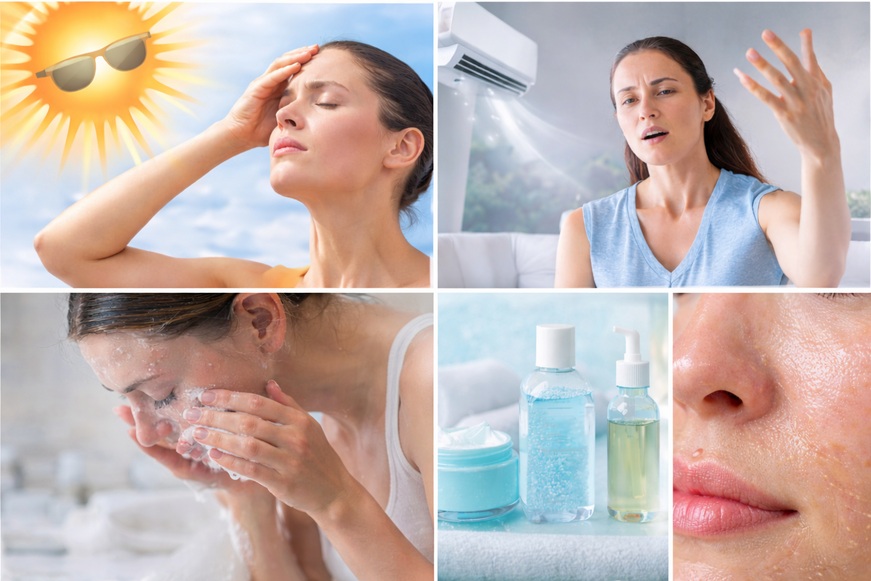
Main benefits of a hydrating facial
Below are the most common and sought-after benefits of a facial hydration treatment:
1) Deep hydration and a “plump, juicy skin” effect
The main goal is for the skin to regain water and look more plumped, with better bounce and less tightness. This translates into a healthier, more rested appearance.
2) Improved elasticity and firmness
When skin is well hydrated, it often looks more elastic and appears firmer. Over time, dehydration can make the skin feel rigid and lines show more.
3) Visible reduction of fine lines caused by dryness
Expression lines can look more pronounced when the skin is dehydrated. When hydration improves, the surface looks smoother and more even, and fine lines caused by “lack of water” often look less noticeable.
4) More radiance and a more even tone
Well-hydrated skin reflects light more evenly. That’s why after a hydrating facial many people notice more glow, less dullness, and a more uniform tone.
5) Support for the skin barrier (less sensitivity)
When the barrier is weakened, skin tends to irritate more easily, get red, or react to products. A well-designed protocol can help strengthen that barrier, improving comfort and reducing burning or tightness.
6) Smoother, softer texture
Dehydration often comes with rough texture and “cardboard-like” skin. With hydration and gentle exfoliation, skin can feel smoother, with pores that look more “refined.”
7) Better performance from your at-home routine
By gently removing dead skin cells and adding water, the skin may absorb serums and moisturizers better. This doesn’t replace your routine, but it can enhance it—especially if you felt “stuck” without seeing changes.
8) Balance: helps prevent the skin from compensating with extra oil
When skin is dehydrated, some people notice more oiliness in certain areas. Restoring hydration can help the skin feel more balanced and less “out of sync.”
9) A rested feeling (and visible de-puffing)
Many hydrating facials include massage and gentle techniques that can help the face look less “heavy” or puffy—especially around the eyes and jaw—while also providing a relaxing experience.
Who is a hydrating facial ideal for?
It’s often a great option if you have one or more of these signs:
- Dull skin, lacking glow.
- Tightness or itching.
- Rough texture or dry patches.
- Makeup that cracks or doesn’t sit well.
- Fine lines that look more noticeable than usual.
- Reactive skin due to climate, stress, or an aggressive routine.
It can also be useful as a supportive treatment after procedures that temporarily dry the skin (always following professional guidance).
What does a facial hydration treatment usually include?
While it varies by location and skin type, a hydrating facial typically combines:
- Deep but gentle cleansing (without leaving the skin “squeaky”).
- Gentle exfoliation to improve texture and prep the skin.
- Humectant serums (sometimes with water-attracting ingredients).
- Hydrating masks to retain water and provide comfort.
- Sealing with moisturizer and, during the day, sunscreen.
In clinics, there’s also “mesotherapy-style” facial hydration or procedures with specific actives designed to revitalize the skin from deeper layers, depending on the protocol and patient profile.
Common ingredients and actives in hydrating facials
These treatments often use ingredients known to support hydration and comfort, such as:
- Hyaluronic acid (a widely used humectant that helps retain water).
- Glycerin (a classic, effective humectant).
- Ceramides and lipids (support for the skin barrier).
- Antioxidants (support against environmental stress).
- Soothing extracts (depending on skin tolerance).
You don’t need “all” of them to see results—the key is the protocol, the right concentration, and compatibility with your skin type.
How often should you do it?
Frequency depends on your skin, climate, age, habits, and goals. In general, it can be done periodically as maintenance (for example, every certain number of weeks) or during times when the skin feels more dehydrated (season changes, lots of sun exposure, travel, stress, etc.).
For specific clinical protocols, frequency may follow a professional’s recommended annual plan.
Before-and-after care to get the most from your facial
Before the facial
- Avoid harsh exfoliation or irritating actives if your skin is sensitive.
- Arrive with clean skin (without heavy makeup if possible).
After the facial
- Keep your routine simple: moisturizer + sunscreen.
- Avoid very strong products if your skin feels sensitive.
- Hydrate and “seal” (use a humectant step and then a cream/gel to help lock it in).
Frequently asked questions
Is a hydrating facial the same as a deep cleansing facial?
Not necessarily. A cleansing facial tends to focus more on extractions, unclogging, and pore cleansing. A hydrating facial prioritizes restoring water, comfort, and radiance, although it may include cleansing and gentle exfoliation.
Does it help if I have oily or acne-prone skin?
It can. Oily skin can still be dehydrated. A well-chosen hydrating protocol can help balance the skin without feeling heavy. If there’s active acne, the approach and products should be adapted to avoid congestion.
When do you see results?
Many people notice better texture and radiance the same day. How long it lasts depends on skin type, climate, and your at-home routine.
Can it help with fine lines?
It can help fine lines caused by dehydration look less noticeable by improving surface plumpness. For deeper wrinkles, additional strategies are usually needed.
What time of year is best?
It can be done year-round. In seasons of strong heat/sun or cold, skin often feels more stressed; a hydrating facial can be helpful—just stay consistent with sun protection.
Are there contraindications?
It depends on the type of treatment and your skin condition. If there’s active irritation, severe breakouts, or recent procedures, it’s best for a professional to determine the right timing and protocol.