
When people talk about the benefits of a facial treatment, many think it’s only about “looking better.” But a good facial (including a deep facial cleansing / facial hygiene) goes further: it helps deep-clean, improve texture, balance oil, boost hydration, enhance glow, and help prevent visible signs of aging, while also providing relaxation and overall well-being.
You may also see this search intent as: benefits of facial treatment, advantages of deep cleansing, benefits of facial hygiene, reasons to get a facial, benefits of a hydrating/acne/anti-aging facial.
What is a facial treatment and why does it make such a noticeable difference?
A facial treatment is an aesthetic procedure (usually professional) designed to **improve the condition of the skin on your face**. Depending on the goal, it may include cleansing, exfoliation, extractions, hydration, devices, and masks or targeted serums.
Unlike an at-home routine, a professional treatment can use protocols and techniques that better address the buildup of dirt, sebum, and dead skin cells—so changes are often noticeable in smoothness, glow, and a more even look.
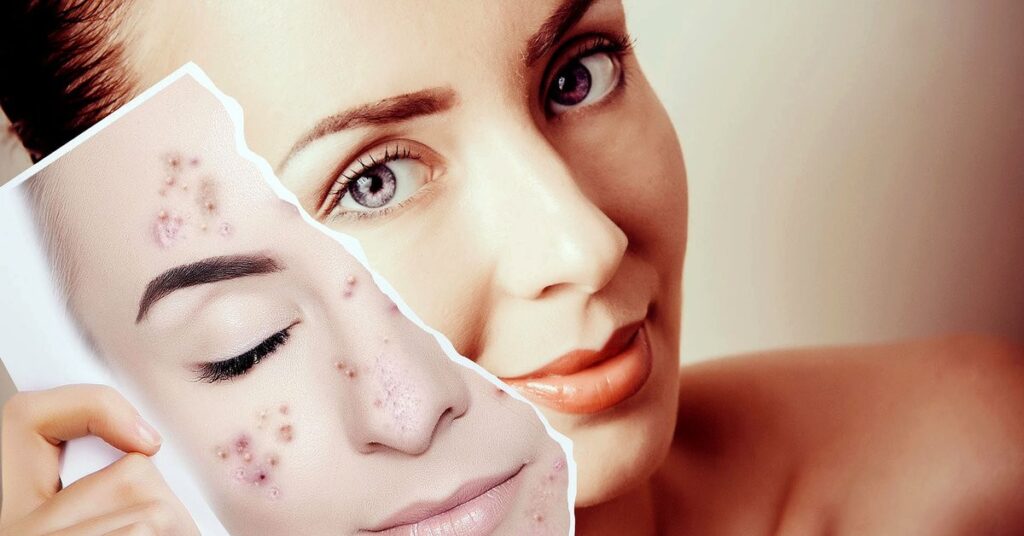
Benefits of a facial treatment (the most important ones)
1) Deep pore cleansing and removal of impurities
Facial skin is exposed daily to dust, pollution, sweat, makeup, and sunscreen. A facial helps remove **built-up impurities** and leaves the skin feeling cleaner and fresher.
2) Fewer blackheads, clogged pores, and blemishes
When pores become congested, blackheads and breakouts appear. A facial that includes controlled extractions can help **reduce comedones** and improve the appearance of blemish-prone skin.
3) Exfoliation and cell renewal
Exfoliation removes dead skin cells and supports a **smoother texture** and a more even-looking complexion. With consistency, it can also help skin look more “uniform” with a better overall tone.
4) Oil control and pH balance
For combination or oily skin, the goal is often to regulate sebum to reduce excess shine and breakouts. For dry or sensitive skin, the focus shifts to restoring the barrier and hydration. In both cases, a well-chosen facial aims for **balance** (not “stripping” the skin).
5) More radiance and better oxygenation
By improving cleansing, exfoliation, and superficial circulation (for example, with facial massage), the skin often looks **brighter** and less “dull.”
6) Better hydration, elasticity, and softness
Hydrating treatments deliver actives and techniques that help the skin feel **more elastic**, **softer**, and healthier-looking.
7) Boosts product absorption and your skincare routine
When skin is covered with dead cells or pores are clogged, many products sit on the surface. After a facial, skin can **take better advantage** of moisturizers, serums, and masks.
8) Helps prevent fine lines and visible aging
Ongoing renewal, proper hydration, and certain actives (depending on the facial type) can help skin look more “rested.” Anti-aging facials aim to support firmness and reduce the look of fine lines over time.
9) Relaxation and less facial tension
Beyond aesthetics, facials often include massage and a relaxing environment—many people feel **less facial tension**, more well-being, and a mental “reset.”
Types of facial treatments and benefits based on your goal
Hydrating facial treatment
Ideal if you feel tightness, dryness, or dullness.
- Replenishes hydration
- Adds softness and elasticity
- Improves radiance
Anti-aging facial treatment (anti-wrinkle)
Focused on fine lines, firmness, and a tired-looking complexion.
- Supports the look of firmness and elasticity
- Promotes more even-looking skin and improved texture
- Complements routines with antioxidants and hydration
Facial treatment for acne-prone or breakout-prone skin
Designed for clogged pores, blackheads, and inflammation.
- Deep cleansing and reduction of comedones
- Helps keep pores clearer
- Supports oil control without over-irritating the skin
Facial treatment with microdermabrasion (or other professional exfoliation)
When the goal is smoother-looking skin or improved texture.
- More intensive (but controlled) exfoliation
- Improves the look of uneven texture
- Can help skin look more “polished”
What’s typically included in a professional deep facial cleansing?
Protocols vary, but a session commonly includes:
- Skin analysis or evaluation
- Surface cleansing and makeup removal
- Exfoliation
- Steam to help open pores
- Comedone extraction (blackheads)
- A complementary technique (case-dependent)
- A mask tailored to your skin type
- Hydration and aftercare recommendations
How often should you get a facial treatment?
Frequency depends on your skin type and goal. As a common reference:
- Oily skin: every 3–4 weeks
- Combination or normal skin: every 4–6 weeks
- Dry or sensitive skin: every 6–8 weeks
Aftercare tips (to make results last)
To keep benefits longer and avoid irritation:
- Avoid direct sun exposure for the first 48 hours and use sunscreen daily
- Avoid makeup for 24–48 hours (especially after extractions)
- Keep hydration simple with gentle products
- Don’t pick or squeeze the skin
- Avoid strong exfoliants for a few days (depending on the treatment)
FAQ: benefits of facial treatments
How long does a facial treatment session take?
It depends on the protocol, but a full session typically lasts about 60 to 90 minutes.
Do you see results after the first time?
Often yes: skin looks and feels smoother, cleaner, and more radiant. For more stable changes (pores, texture, breakouts), consistency makes the difference.
Does a facial replace my daily routine?
No. It’s a **professional boost**—it helps deep-clean and “reset” the skin, but results last longer with a consistent daily routine.
Can I do a deep cleansing facial at home?
You can do a simpler version (cleanse, gentle exfoliation, hydrate). But professional treatments often use techniques/tools that are hard to replicate safely at home.
Do facials work for men?
Yes. Men’s skin can also build up oil and impurities and benefits from cleansing, exfoliation, and hydration—especially if pores are visible or blackheads are frequent.
Which facial should I get if I don’t know my skin type?
Ideally, the facial should start with an **evaluation** so products and techniques can be tailored (hydrating, oil-control, soothing, anti-aging, etc.).