
A facial—also called a facial treatment—is much more than just a “quick face wash.” It’s a set of professional techniques that deeply cleanse, exfoliate, hydrate, and treat the skin of the face, helping improve texture, radiance, and overall skin health—while also giving you a moment of relaxation.
Below you’ll find a complete guide in Mexican Spanish to understand what a facial is, what it includes, the most common types, how often it’s recommended, and what to consider before booking your appointment.
What is a facial and what is it for?
A facial is a skincare treatment focused on the face that combines steps such as cleansing, exfoliation, impurity extraction, application of masks, serums, and targeted creams, plus facial massage. It’s typically performed at spas, beauty salons, and aesthetic clinics by cosmetologists, estheticians, or trained skincare professionals.
The main goals of a professional facial cleansing are:
- Remove dirt, oil, makeup residue, and pollution that daily cleansing doesn’t fully eliminate.
- Unclog pores and reduce blackheads (comedones).
- Improve hydration and strengthen the skin barrier.
- Restore a brighter, smoother, more even-looking complexion.
- Help you relax and reduce stress, which can also positively affect the skin.
That’s why many people look for a facial when their skin feels dull, uneven in texture, oily, congested with blackheads, dealing with mild acne—or simply to maintain a more complete skincare routine.
What does a professional facial include?

The exact content depends on the location, the type of facial, and your skin’s needs. However, most facials follow a similar structure:
1. Skin assessment
Before starting, the specialist evaluates your skin type (dry, oily, combination, sensitive) and its current condition (dehydrated, breaking out, pigmented, fine lines, etc.). Based on this, they choose products and techniques.
2. Initial cleanse
Makeup, sunscreen, and surface dirt are removed using a cleanser suited to your skin type. This prepares the skin for the next steps.
3. Exfoliation
This can be mechanical (with gentle particles) or chemical (with mild exfoliating acids). The goal is to remove dead skin cells, smooth texture, and help later active ingredients absorb better.
4. Steam and extraction (when needed)
Many facials use warm steam to open pores and make blackhead/comedone extraction easier. Extractions are done in a controlled way to reduce the risk of marks or irritation.
5. Facial mask
A mask is applied (clay, cream, gel, sheet, etc.) based on your needs: purifying, soothing, hydrating, brightening, anti-aging, and more.
6. Facial and neck massage
Many treatments include a gentle massage of the face, neck, and sometimes the décolletage. This helps relax muscles, support circulation, and enhance overall well-being.
7. Serums, moisturizer, and sunscreen
At the end, targeted serums are applied (antioxidants, brightening, anti-aging, hydrating), followed by a moisturizer suited to your skin type. During daytime appointments, the facial usually ends with sunscreen to protect results.
Benefits of a facial for your skin
A good facial doesn’t just make your skin look “nice” that day—it can provide cumulative benefits when done regularly:
- Deep cleansing: removes impurities, excess oil, and blackheads better than at-home cleansing.
- Brighter-looking skin: removing dead skin and improving circulation helps your face look more radiant and even.
- Smoother texture: exfoliation and hydration reduce roughness.
- Better absorption of skincare: clean, balanced skin makes better use of your creams, serums, and treatments.
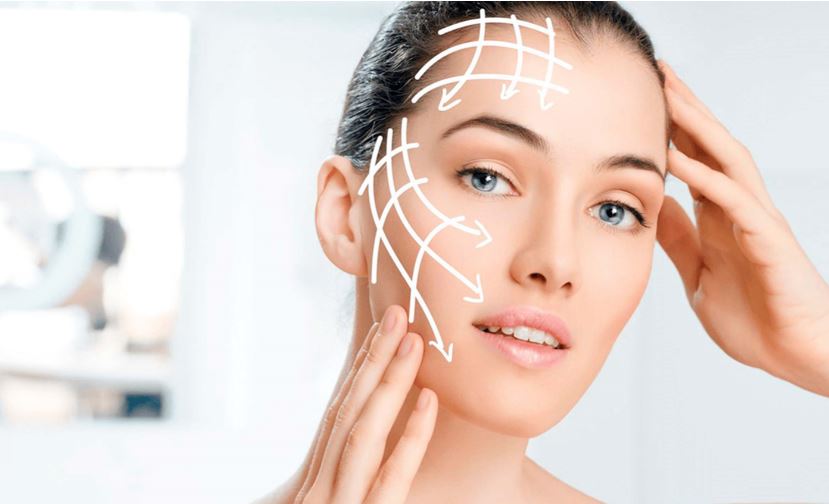
- Prevention of premature aging: regular facials can help soften fine lines, improve elasticity, and delay the appearance of wrinkles.
- Support for specific concerns: facials for oily skin or mild acne can help improve the look of breakouts and enlarged pores as part of a broader skincare plan.
- Relaxation: massage and personal care reduce stress, which can also show up on the skin.
Most common types of facials
There are many commercial names, but most treatments fall into a few categories:
Classic or deep-cleansing facial
The most well-known type. It focuses on cleansing, exfoliation, blackhead extraction, mask, and massage. Ideal if you want a professional deep cleanse and general maintenance.
Hydrating and soothing facials
Designed for dry, dehydrated, or sensitive skin. They use gentle products with hydrating and calming ingredients to restore the skin barrier and reduce tightness.
Facials for oily or acne-prone skin
These aim to balance oil production, unclog pores, and improve the appearance of breakouts and marks. They often include targeted exfoliation, purifying masks, and—when appropriate—additional treatments recommended by a health professional.
Anti-aging or rejuvenating facials
Focused on softening the appearance of expression lines and improving firmness and glow. They may use antioxidants, peptides, or gentle acids, plus massage techniques that stimulate circulation.
Mini facials or express facials
Shorter versions (for example, 30 minutes) of a classic facial. They focus on basic cleansing, light exfoliation, and a quick mask—ideal when you don’t have much time but want a “refresh.”
Technology-based advanced facials
Some centers offer facials combined with technologies such as:
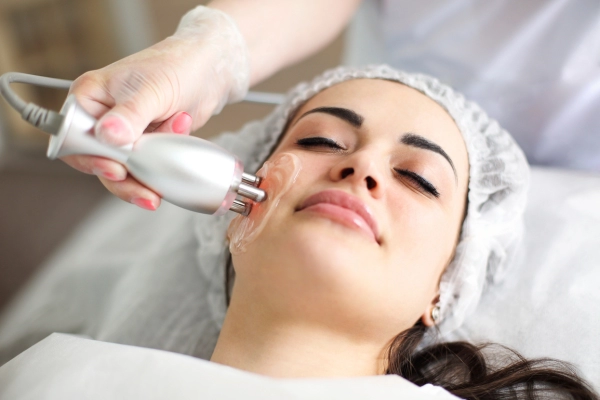
- HydraFacial® and similar: devices that exfoliate, “vacuum” impurities, and infuse serums at the same time.
- Gentle chemical peels: controlled acids (like glycolic, lactic, or salicylic) to renew skin.
- LED light therapy: different light colors can help address concerns like acne, dark spots, or fine lines.
These facials often require a more careful evaluation and, in some cases, medical supervision or treatment in a specialized clinic.
How often should you get a facial?
There isn’t one single frequency that works for everyone, but recommendations often fall within these ranges:
- Normal or combination skin without major concerns: a facial every 4 to 8 weeks can be enough for maintenance.
- Dry or mature skin: may benefit from slightly more frequent facials (for example, every 4 to 6 weeks) to support hydration and glow.
- Very oily or acne-prone skin: in some cases, more regular sessions are recommended at the beginning—always following a skincare specialist’s guidance.
- At minimum, one professional facial cleansing per year can help “reset” the skin, though most brands and clinics recommend more consistency to see long-term results.
The key is choosing a frequency that fits your skin type, lifestyle, and budget—and pairing it with a consistent at-home routine.
Who can get a facial, and when is it better to avoid it?
Most people can benefit from a facial, but there are situations when it’s better to wait or get medical guidance first:
In general, these people can benefit:
- People with normal, combination, dry, or oily skin who want maintenance and prevention.
- Anyone who notices dullness, visible pores, or uneven texture.
- Those who want to complement dermatological treatments (always coordinated with their specialist).
It’s best to avoid or postpone a facial if:
- You have active facial infections (open wounds, active cold sores, skin infections).
- You have a severe sunburn or intense irritation.
- You recently had procedures like deep peels, laser, or other medical treatments without completing the recommended recovery time.
- You’re using very irritating medications or topical treatments and your dermatologist advised avoiding exfoliation or massage.
In all cases, let your provider know if you’re under medical treatment, taking photosensitizing medications, or have allergies to cosmetic ingredients.
How to prepare for your first facial
To get the most out of your professional facial cleansing or facial treatment, consider these basics:
- Avoid strong at-home exfoliants for a few days beforehand.
- Arrive without heavy makeup if possible.
- Tell them about your current skincare routine (retinoids, acids, etc.).
- Mention if you have very sensitive skin or a history of allergies.
- Ask questions before starting: what the facial includes, estimated duration, expected results, and post-care recommendations.
Frequently asked questions
1. Is a facial the same as a deep cleanse?
In practice, many people use both terms as synonyms. However, “facial” often refers to the full treatment (assessment, cleansing, exfoliation, mask, massage, hydration), while “deep cleanse” may focus more on cleansing and extraction.
2. Does a facial hurt?
Most steps are relaxing. The part that can feel slightly uncomfortable is blackhead extraction, especially if skin is very congested. Even so, it should be done carefully so the discomfort remains tolerable.
3. Will my face be red after the treatment?
You might notice mild redness from massage, exfoliation, or extractions, but it usually fades within a few hours. In very sensitive skin or after more intensive treatments, redness can last longer.
4. Does a facial get rid of acne forever?
No. Facials can help improve the appearance of mild acne or clogged pores, but they don’t replace dermatological care for moderate or severe acne. Their role is to support skincare, not replace medical treatment.
5. Can I get a facial if I have sensitive skin?
Yes, but it’s essential to tell your provider from the start. There are gentle facials with calming products and less aggressive techniques designed for reactive skin. For diagnosed skin conditions, follow your specialist’s recommendations.
6. What should I do after a facial?
It’s usually recommended to avoid strong exfoliation, avoid intense sun exposure, use daily sunscreen, and follow any at-home product guidance you’re given. This helps maintain results longer.
7. Is it worth investing in regular facials?
For many people, yes—especially when combined with a simple, consistent daily routine. Facials aren’t miraculous, but they help keep skin cleaner, more even, and healthier over time.