
In daily life, it’s easy to build up stress, muscle tension, and mental fatigue. That’s exactly where the spa comes in: a space designed for you to rest, unwind, care for your skin, and—often—address physical and emotional well-being too.
Although many people think you “only go to a spa for a massage,” the reality is that the experience is much broader: it includes water, heat, aromas, silence, therapeutic touch, and small self-care rituals that, together, create a sense of total well-being.
Below you’ll find a clear, simple guide to what happens at a spa, what treatments they offer, what a typical visit looks like, and what to keep in mind if it’s your first time.
What do they do at a spa, exactly?
A spa is a wellness center that combines water-based therapies, massages, and aesthetic treatments to relax the body, calm the mind, and improve the appearance of the skin. Water is usually the main focus (hydromassage pools, saunas, steam rooms, jacuzzis, specialty showers), supported by massage and skincare treatment rooms.
In practice, at a spa:
- You’re welcomed into a peaceful environment with soft music, pleasant aromas, and dim lighting.
- They explain the circuit or treatment you’ll be doing.
- You move through hot and cold water areas, steam or sauna, which help relax muscles and stimulate circulation.
- You receive massages, facial treatments, or body treatments depending on what you booked.
- You finish resting in a relaxation zone, with herbal tea or water to rehydrate.
The main goal is for you to leave with less stress, less muscle tension, and an overall feeling of physical and mental lightness.
Most common spa treatments and services
While each spa designs its own menu, most offer a core set of treatments.
Water circuits and hydrotherapy
These are routes through different water areas at different temperatures: hydromassage pools, jacuzzis, alternating hot/cold showers, sauna, steam bath (hammam), bubble beds, neck jets (“swan neck” spouts), and more. Temperature changes help relax muscles, activate circulation, and improve skin hydration. (Deusto Salud)
Relaxing and therapeutic massages
Massages are one of the most common reasons to visit a spa. Typical options include:
- Full-body relaxation massage.
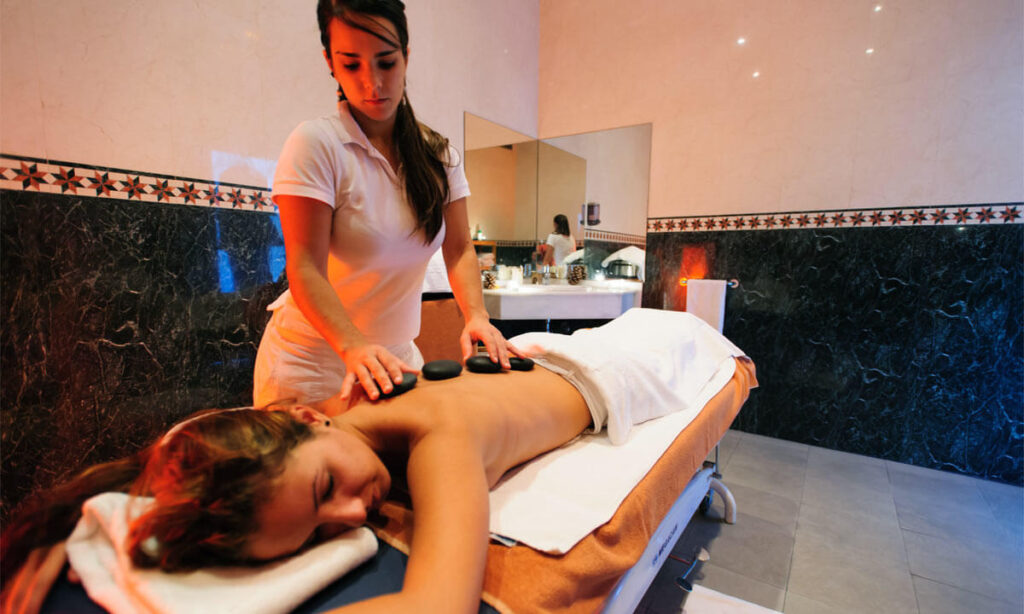
- Hot stone massage.
- Back, neck, and shoulder massage.
- Leg and foot massage.
- Deep tissue or muscle-release massage.
Relaxation massages aim to release tension and improve rest; more “therapeutic” massages focus on specific discomforts, guided by trained professionals.
Facial treatments
In a treatment room, you can get deep cleansing, exfoliation, hydrating or anti-aging masks, treatments for oily or acne-prone skin, and more. The goal is to cleanse, nourish, and revitalize the face so it looks fresher and more even.
Body treatments
These include full-body scrubs, seaweed/mud/clay wraps, oil-based therapies, and slimming or firming treatments (depending on the spa). Many focus on improving skin texture, stimulating circulation, and supporting the elimination of toxins.
Rituals and special packages
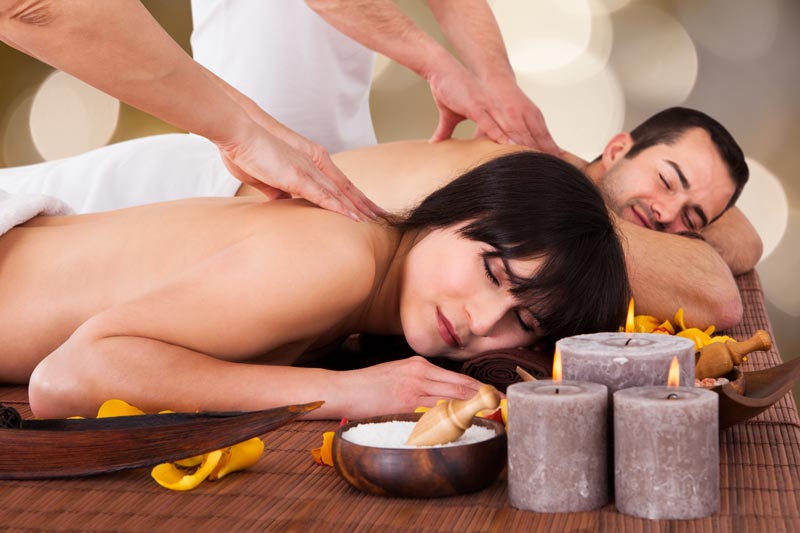
Many spas bundle services into “rituals” or packages—for example, a water circuit + massage + facial, or couples experiences that include a double treatment room, aromatherapy, and shared relaxation time. They’re ideal for romantic getaways or special celebrations.
Beauty and salon services
Depending on the spa, you may also find manicures, pedicures, hair removal, hair styling, or makeup. These are add-on services designed so you leave not only relaxed, but also polished and refreshed overall.
Benefits of going to a spa: body, mind, and emotions
Going to a spa isn’t just a “luxury”—it can also have very real effects on your physical and emotional well-being.
Physical benefits
- Reduced muscle and joint pain.
- Relaxation of knots in the neck, back, and shoulders.
- Improved blood circulation.
- Relief from heavy-leg sensation.
- More hydrated, better-looking skin.
Hot water therapies, steam, and massage help muscles relax and circulation work more efficiently, which often translates into less discomfort and a lighter feeling in the body.
Mental and emotional benefits
- Reduced stress and anxiety.
- A sense of calm and mental rest.
- Improved mood.
- More clarity to handle daily life.
A quiet environment, soft music, aromas, and therapeutic touch help you “downshift,” disconnect from to-dos, and focus on your well-being.
Aesthetic and personal image benefits
- Cleaner, more hydrated, more radiant skin.
- Greater firmness and elasticity.
- Support for cellulite-reducing or contouring treatments, depending on the spa.
When you feel better on the inside, it often shows on the outside: more rested, with a better skin tone and a more relaxed expression.
Social and bonding benefits
Many spas encourage experiences for couples or friends. Sharing a water circuit, a couples massage, or a weekend getaway can strengthen relationships, create good memories, and break the routine.
What is a typical spa visit like? Step by step
Every place has its own rules, but this is the general flow of what happens at a spa during a standard visit:
- Booking and choosing your treatment: Before you go, it’s recommended to reserve your time and choose the service (water circuit, massage, ritual, etc.). Some bookings include the circuit plus a specific treatment.
- Arrival and check-in: You check in at reception, they confirm your booking, and explain the experience. This is where they can clarify contraindications, duration, and basic rules (phone use, speaking volume, etc.).
- Changing rooms and preparation: You’re assigned a locker, change, store your belongings, and put on a swimsuit, sandals, and—sometimes—a swim cap. Most spas provide a towel and sometimes a robe.
- Water circuit: You start with specialty showers, hydromassage pools, jacuzzi, sauna, or steam room. The combination of heat, water, and pressure jets helps relax your body and prepare it for the next treatment.
- Treatment room: After the circuit, you go to a private room for your massage, facial, or body treatment. The therapist explains what they’ll do, what products they’ll use, and how long it will last.
- Relaxation zone: At the end, many spas have a lounge area with daybeds, soft music, and drinks (water, herbal tea). This is where you slow down completely and let your body absorb the treatment.
Tips if it’s your first time at a spa
To make your experience more comfortable and safe, keep these basics in mind:
- Don’t go if you’re sick: Avoid the spa if you have a fever, skin infections, serious cardiovascular conditions, or significant general discomfort. If you’re pregnant or have a chronic condition, check with your doctor first.
- Don’t arrive overly full: It’s best not to start a water circuit or massage right after a heavy meal—wait a bit to avoid discomfort.
- Arrive early: Ideally arrive at least 15 minutes before your booking so you can change calmly, shower, and begin on time without rushing.
- Protect the quiet atmosphere: Turn off or silence your phone and speak softly. The spa is a shared space where everyone is seeking calm.
- Remove jewelry and accessories: Take off earrings, watches, necklaces, and bracelets before entering the circuit or treatment room to avoid discomfort or loss. If you have long hair, tie it back.
- Bring the basics if the spa doesn’t include them: Usually a comfortable swimsuit and sandals are enough, plus a swim cap if required. Some spas provide everything; others may ask you to bring certain personal items.
Frequently asked questions
What kinds of treatments can I get at a spa?
It depends on the place, but they typically offer water circuits, massages (relaxing, deep tissue, hot stone, etc.), facials, body scrubs and wraps, plus beauty services like manicures, pedicures, or hair removal.
Do I need to know how to swim to enjoy a spa?
Usually not. Most water circuits take place in shallow pools, jacuzzis, or areas where you walk or sit. Still, if you don’t know how to swim, it’s a good idea to tell the staff so they can guide you to the safest areas.
How long does a spa session last?
A thermal circuit typically lasts 60 to 90 minutes. Massages and in-room treatments usually run 30 to 90 minutes, depending on the service. Many spas sell packages that combine multiple experiences into 2 to 4 hours.
What should I wear?
Typically, a swimsuit and sandals. The spa may provide a robe and towel. For arriving and leaving, comfortable, easy-to-change clothes are enough.
Can I go to a spa if I’m pregnant?
Some spas offer pregnancy-safe programs with gentle massage and adapted water areas. However, there are restrictions for saunas, steam rooms, and certain treatments—so you should check with your OB-GYN and inform the spa staff in advance.
Can I go alone, as a couple, or with friends?
Yes. Going alone is ideal for disconnecting and focusing on yourself; going as a couple is a way to share quality time and strengthen your bond; going with friends is a great way to celebrate or simply relax together.