
Visiting a spa is no longer just a five-star hotel luxury: today it’s a very practical way to care for your body, your skin, and your emotional well-being. Treatment menus often include everything from relaxing massages to hydrotherapy circuits, body wraps, and couples’ rituals—each designed to reduce stress, improve circulation, and give your mind a break.
While every spa designs its own service list, there are certain treatments you’ll find worldwide because they’re the most effective and most requested: massages, facials, full-day packages, water circuits, body treatments, and complete sensory experiences.
Below you’ll find 10 services a spa typically offers, explained in simple language, with their main benefits and who they’re recommended for—so you can choose clearly what to book on your next visit.
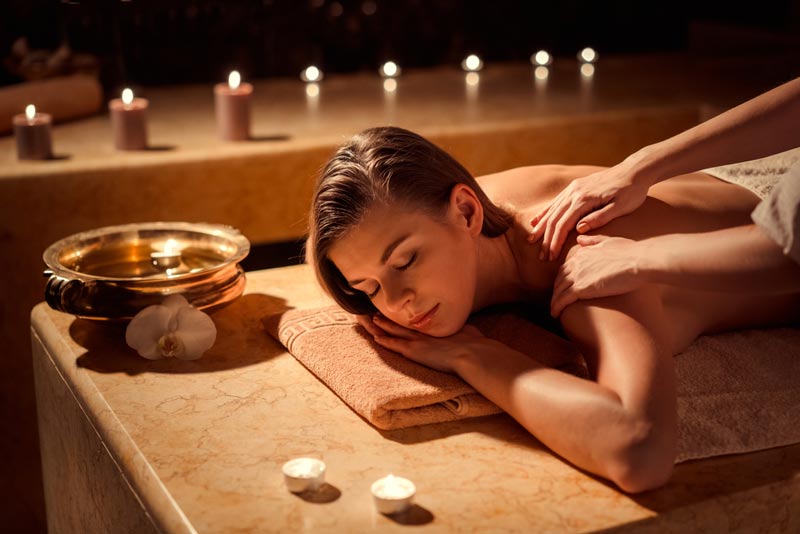
Relaxing and therapeutic massages
Massage is almost always the heart of a spa’s treatment menu. These are hands-on therapies where the therapist works muscles and joints using pressure, gliding strokes, and gentle stretching to relieve tension and improve circulation.
Some of the most common spa massages include:
- Relaxation massage: smooth, rhythmic movements to lower stress, calm the nervous system, and help you sleep better.
- Deep tissue / muscle release massage: firmer pressure on the neck, back, and shoulders to release knots caused by poor posture or physical overload.
- Hot stone massage: combines massage techniques with warmed volcanic stones placed on key points of the body—ideal for very tense people or those who feel “cold” muscle tightness.
It’s one of the most versatile spa services: it works for people who want pure relaxation, those with office-related muscle discomfort, and those who train hard and need recovery.
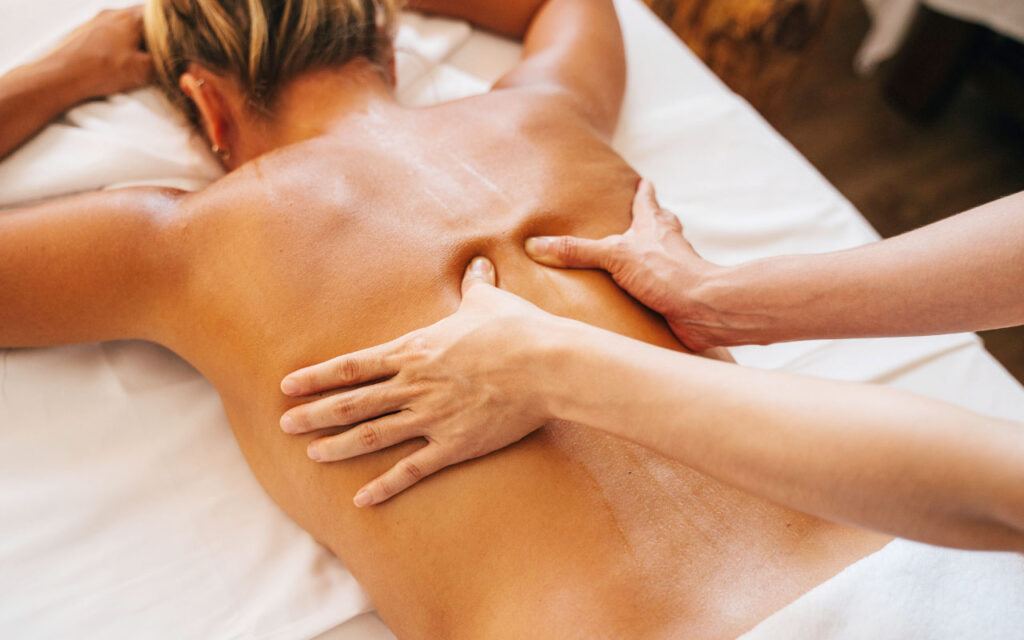
Hydrotherapy circuit and water area
When people talk about a spa circuit or hydrotherapy circuit, they usually mean a route through different water-and-heat stations:
- Dynamic pool or hydromassage pool
- Jacuzzis with pressure jets
- Experience showers (cold, warm, rain, or waterfall)
- Bubble beds
- Rest areas between each phase
In many spas, this circuit is the best-selling service and the main reason people visit, since it can account for a large share of bookings when there’s a well-designed water area.
The goal is to stimulate circulation, relieve tired legs, relax joints, and reduce stress through temperature and pressure contrasts. It’s an ideal service to start a spa day before a massage or facial treatment.
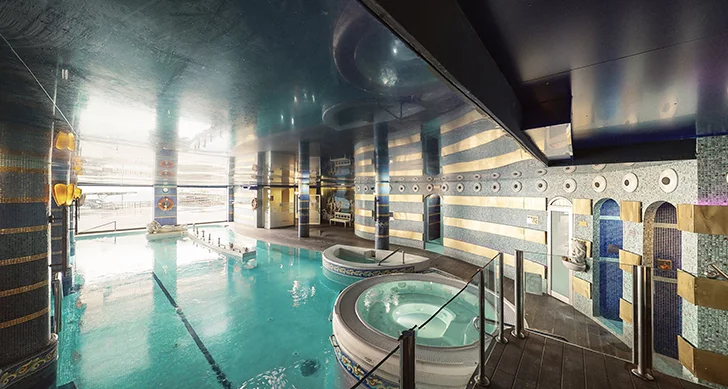
Saunas, steam baths, and infrared heat
As part of the wet area, many spas include:
- Finnish sauna (dry)
- Steam bath or modern temazcal
- Infrared heat cabins
These services help to:
- Induce deep sweating
- Support the elimination of toxins
- Relax muscles
- Improve the feeling of lightness in the body
More innovative spas include infrared saunas, where heat penetrates deeper but at slightly lower temperatures, making it more comfortable for many people.
Use is usually recommended for limited times and combined with cold showers or rest breaks as part of the water circuit.
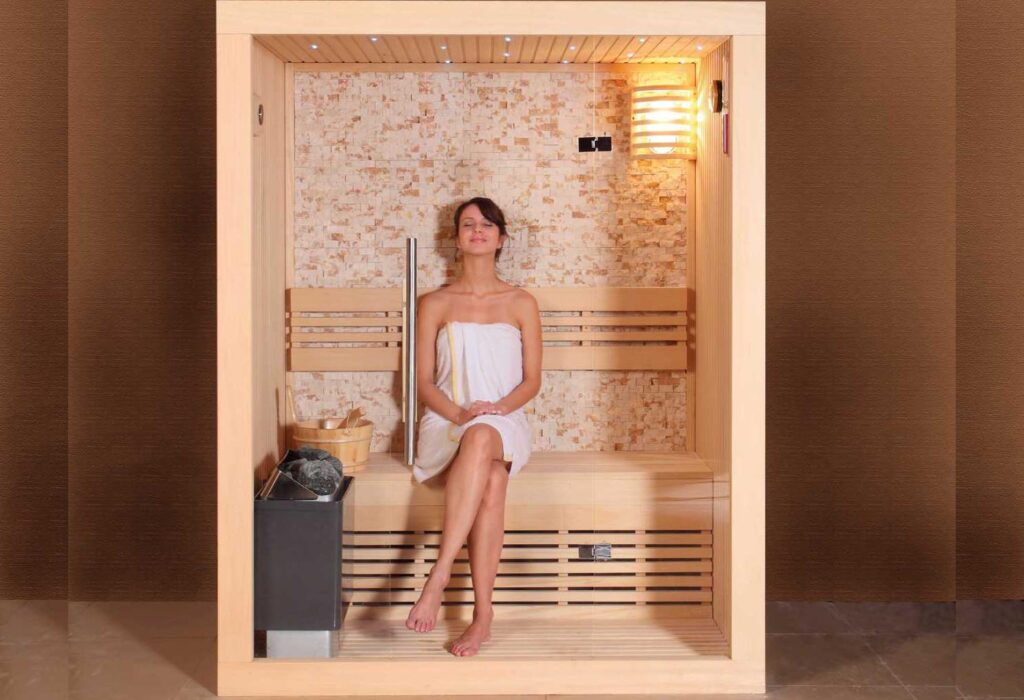
Facial treatments: deep cleansing and anti-aging
Another near “must-have” spa service is facial treatments, which range from basic cleansing to advanced anti-aging protocols.
The most common options include:
- Deep cleansing facial: makeup removal, exfoliation, extraction of impurities, a mask, and a facial massage. Ideal for combination or oily skin and for those exposed to pollution.
- Hydrating or soothing facial: perfect for dry or sensitive skin; often includes masks with hyaluronic acid, aloe vera, collagen, or botanical extracts.
- Anti-aging facial: combines controlled exfoliation, targeted actives, and massage techniques to improve firmness, glow, and skin texture.
Many spas also offer more specialized facials, such as:
- Microdermabrasion: highly controlled mechanical exfoliation to remove dead skin cells and soften fine dark spots.
- Gentle chemical peel: uses specific acids to improve skin texture and tone.
- Facial radiofrequency or LED light therapy: technologies that stimulate collagen, reduce sagging, and improve the appearance of expression lines.
These services are designed for people who want more than relaxation: they want visible results on the skin—whether due to aging, dark spots, acne, or dehydration.
Body scrubs and body wraps
Body exfoliation treatments and wraps are often paired with the water circuit or massages to provide complete body care.
Common options include:
- Salt or sugar body scrub: a full-body scrub is applied to remove dead skin cells, smooth skin texture, and improve absorption of creams.
- Mud or thermal clay wraps: after exfoliation, mineral-rich mud is applied over the body and the person is wrapped to retain heat; it helps detoxify, soften, and remineralize the skin.
- Herbal or nourishing oil wraps: sheets or wraps infused with plant extracts or oils to deeply hydrate and relax the muscles.
These spa services are ideal for anyone who wants to renew the body’s skin, prep for summer, improve rough areas like elbows, knees, and heels, or simply feel “brand new” when leaving.
Spa day plans and all-in-one packages
Many centers structure their menus into spa plans or all-in-one packages, combining several services into one experience.
Common examples include:
- Hydrotherapy circuit + relaxation massage
- Full spa day (circuit + massage + facial + body care)
- VIP spa with personalized attention, special touches, and access to exclusive areas
- Themed packages (deep relaxation, detox, anti-stress, etc.)
These plans help guests save compared to booking each service separately and make choosing easier without building an itinerary step by step. They’re perfect for gifts, birthdays, bachelorette parties, or simply treating yourself to a full day of self-care.
Couples’ spa and romantic rituals
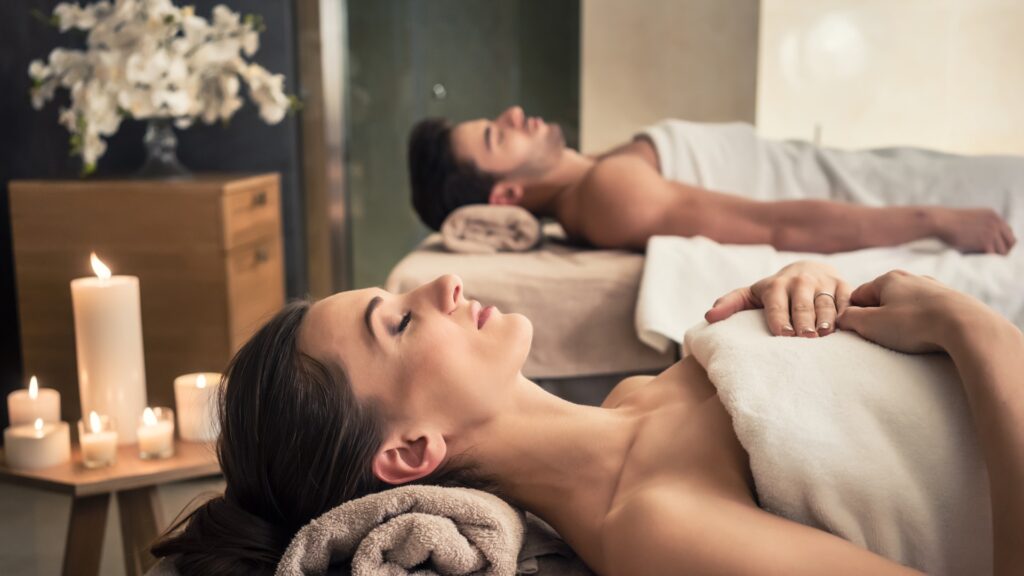
Among the most in-demand spa services are couples’ rituals: experiences designed for two people in a double treatment room or private area.
They often include:
- Water circuit or a private jacuzzi
- Couples’ massage (relaxation, aromatherapy, or hot stone)
- Details like wine, tea, fruit, or chocolates
- Quiet time on loungers or in exclusive relaxation rooms
These rituals are very popular for anniversaries, romantic proposals, or simply unplugging together from the routine. The key is an unhurried experience in an intimate, well-cared-for environment.
Special hydrotherapy treatments and themed baths
Beyond the classic jacuzzi, some spas include special hydrotherapy services that have become especially eye-catching:
- Hydromassage baths with salts or essential oils
- Vichy showers (multiple water jets over a treatment table)
- Themed baths, such as beer or wine baths, which combine warm water with extracts of hops, barley, grapes, or other antioxidant-rich ingredients.
While these vary widely depending on the spa concept, they share the same goal: deep relaxation, improved circulation, and a different sensory experience to complement massages and facials.
Body contouring and sculpting treatments
In the “body care” category, many spas include contouring or sculpting treatments focused on improving the appearance of specific areas:
- Abdomen
- Waist
- Thighs and hips
- Arms
They often use:
- Manual drainage or anti-cellulite massage
- Wraps with slimming actives
- Devices (radiofrequency, ultrasound, pressotherapy—depending on the spa)
While they are not a substitute for balanced nutrition and exercise, they can help improve skin texture, reduce the heavy-leg feeling, and improve the appearance of cellulite—especially when done in consecutive sessions and combined with healthier habits.
Complementary beauty and aesthetic services
Finally, many spas offer beauty services so the wellness experience is completed with personal grooming details:
- Spa manicure and pedicure
- Waxing or laser hair removal
- Brow or lash tinting
- Event makeup
- Simple or special-occasion hairstyling
Even if these aren’t always the top online sellers and their revenue share may be smaller than circuits and massages, they’re part of many spas’ catalogs because they let guests leave feeling fully renewed: relaxed body, cared-for skin, and beauty details ready for any plan.
Frequently asked questions
What’s the most requested service at a spa?
In many spas, the hydrotherapy circuit is the main star, since it accounts for a large share of bookings when there is a well-designed water area. Close behind are relaxation and deep tissue massages, which remain the classic treatment for releasing stress and muscle tension. (
How often should you go to a spa?
It depends on the goal:
- For relaxation and stress management, many people go once a month.
- For specific facial or body treatments, such as anti-aging or contouring, a plan of several sessions close together (weekly or biweekly) is often recommended, followed by maintenance.
Ideally, consult the spa directly or a health professional if you have specific medical conditions.
What should I bring on my first spa visit?
In general:
- A comfortable swimsuit
- Non-slip sandals
- Light clothing for after treatments
Most spas provide a towel, robe, and locker, but it’s recommended to review each center’s policies when booking.
Can I combine several services in the same visit?
Yes. In fact, spa day packages are designed specifically to combine a water circuit, massage, facial, and a body treatment in a single day. It’s important to respect rest times between services and follow staff recommendations to get the most out of the experience.